Good Friday – Medical Aspects of Crucifixion

Crucifixion

Part 3: Medical Aspects of Crucifixion

With a knowledge of both anatomy and ancient crucifixion practices, one may reconstruct the probable medical aspects of this form of slow execution. Each wound apparently was intended to produce intense agony, and the contributing causes of death were numerous.

The scourging prior to crucifixion served to weaken the condemned man and, if blood loss was considerable, to produce conditions leading to a severe drop in blood pressure, fainting, and even organ failure. When the victim was thrown to the ground on his back, in preparation for transfixion of his hands, his scourging wounds most likely would become torn open again and contaminated with dirt. Furthermore, with each respiration, the painful scourging wounds would be scraped against the rough wood of the post. As a result, blood loss from the back probably would continue throughout the crucifixion ordeal.

It has been shown that the dense fibrous tissue connecting the bones together, and bones of the wrist, can support the weight of a body hanging from them, but the palms cannot. Accordingly, the iron spikes probably were driven between the radius, the heavier of the two forearm bones, and the carpals, the eight wrist bones. Another probability for placement of the spikes could be between the row of carpal bones nearest the radius, or through the strong fibrous band-like tissue that covers the carpals, which forms a tunnel for the various fibrous bands connecting the eight carpal bones. The nail driven at this location would crush or sever the rather large median nerve. This nerve provides sensation and movement, particularly to the 2nd and 3rd fingers. Damage to the median nerve results in a contracture or a claw-like deformity of the hand. The damaged nerve would also produce excruciating bolts of fiery pain in both arms.

It is likely that the deep peroneal nerve, extending to the front of the ankle, and branches of the medial and lateral plantar nerves, would have been injured by the nails driven through the feet. Although scourging may have resulted in considerable blood loss, crucifixion per se was a relatively bloodless procedure, since no major arteries, other than perhaps the deep plantar arch, a confluence of arteries in the foot, pass through the favored anatomic sites of transfixion.

The crucial effect of crucifixion, beyond the excruciating pain, was a marked interference with normal respiration, particularly exhalation. The weight of the body, pulling down on the outstretched arms and shoulders, would tend to fix the chest muscles used for breathing in an inhalation state and thereby hinder passive exhalation. Accordingly, exhalation would require using the abdominal muscles rather than the chest muscles, and breathing would be shallow. It is likely that this form of respiration would not suffice and that a high level of carbon dioxide in the bloodstream would soon result. The onset of muscle cramps or tetanic contractions, due to fatigue and the high levels of carbon dioxide in the blood, would hinder respiration even further.

Adequate exhalation required lifting the body by pushing up on the feet and by flexing the elbows and pulling the shoulders inward. However, this maneuver would place the entire weight of the body on the bones in the feet, and would produce searing pain. Furthermore, flexion, or bending of the elbows would cause rotation of the wrists about the iron nails and cause fiery pain along the damaged median nerves. Lifting of the body would also painfully scrape the scourged back against the rough wooden post. Muscle cramps and loss of feeling in both the outstretched and uplifted arms would add to the discomfort. As a result, each respiratory effort would become agonizing and tiring, further reducing the oxygen levels in the blood, and lead eventually to asphyxia.

The actual cause of death by crucifixion was multifactorial and varied somewhat with each case, but the two most prominent causes probably were shock from inadequate perfusion of critical organs due to blood loss and inadequate oxygen levels in the blood due to inability to breathe properly. Other possible contributing factors included dehydration, stress-induced arrhythmias of the heart, and congestive heart failure with the rapid accumulation of fluid around the heart and in lungs. Death by crucifixion was, in every sense of the word, excruciating (Latin, excruciatus, or “out of the cross”).

Reblogged from www.cbcg.org/scourging_crucifixion.htm.

Good Friday – Crucifixion Practices

CrucifixionPart 2: Crucifixion Practices

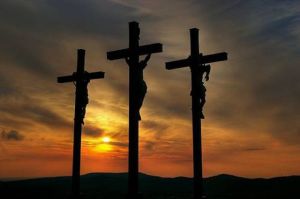
Although the Romans did not invent crucifixion (the Persians did), they perfected it as a form of torture and capital punishment that was designed to produce a slow death with maximum pain and suffering. It was one of the most disgraceful and cruel methods of execution and usually was reserved only for slaves, foreigners, revolutionaries, and the vilest of criminals. Roman law usually protected Roman citizens from crucifixion, except perhaps in the case of desertion by soldiers.

(The cross) was characterized by an upright post and a horizontal crossbar, and it had several variations. It was customary for the condemned man to carry his own cross from the flogging post to the site of crucifixion outside the city walls. He was usually naked, unless this was prohibited by local customs. Since the weight of the entire cross was probably well over 300 lb. (136 kg), only the crossbar was carried. The crossbar, weighing 75 to 125 lb. (34 to 57 kg), was placed across the nape of the victim’s neck and balanced along both shoulders. Usually, the outstretched arms then were tied to the crossbar. The processional to the site of crucifixion was led by a complete Roman military guard, headed by a centurion. One of the soldiers carried a sign on which the condemned man’s name and crime were displayed. Later, the sign would be attached to the top of the cross. The Roman guard would not leave the victim until they were sure of his death.

Outside the city walls was permanently located the heavy upright wooden post, on which the crossbar would be secured. To prolong the crucifixion process, a horizontal wooden block or plank, serving as a crude seat, often was attached midway down the post.

At the site of execution, by law, the victim was given a bitter drink of wine mixed with myrrh (gall) as a mild pain reliever. The criminal was then thrown to the ground on his back, with his arms outstretched along the crossbar. The hands could be nailed or tied to the crossbar, but nailing apparently was preferred by the Romans. The nails were tapered iron spikes approximately 5 to 7 in (13 to 18 cm) long with a square shaft 3/8 in (1 cm) across. The nails commonly were driven through the wrists rather than the palms.

After both arms were fixed to the crossbar, the crossbar and the victim, together, were lifted onto the post. Next, the feet were fixed to the cross, either by nails or ropes. Nailing was the preferred Roman practice. Although the feet could be fixed to the sides of the post or to a wooden footrest, they usually were nailed directly to the front of the post. To accomplish this, flexion of the knees may have been quite prominent, and the bent legs may have been rotated outward.

When the nailing was completed, the sign was attached to the cross, by nails or cords, just above the victim’s head. The soldiers and the civilian crowd often taunted and jeered the condemned man, and the soldiers customarily divided up his clothes among themselves. The length of survival generally ranged from three or four hours to three or four days and appears to have been inversely related to the severity of the scourging. However, even if the scourging had been relatively mild, the Roman soldiers could hasten death by breaking the legs below the knees.

Not uncommonly, insects would light upon or burrow into the open wounds or the eyes, ears, and nose of the dying and helpless victim, and birds of prey would tear at these sites. Moreover, it was customary to leave the corpse on the cross to be devoured by predatory animals. However, by Roman law, the family of the condemned could take the body for burial, after obtaining permission from the Roman judge.

Since no one was intended to survive crucifixion, the body was not released to the family until the soldiers were sure that the victim was dead. By custom, one of the Roman guards would pierce the body with a sword or lance. Traditionally, this had been considered a spear wound to the heart through the right side of the chest—a fatal wound probably taught to most Roman soldiers. Moreover, the standard infantry spear, which was 5 to 6 ft (1.5 to 1.8 m) long could easily have reached the chest of a man crucified on the customary low cross.

Reblogged from www.cbcg.org/scourging_crucifixion.htm.

Good Friday – Flogging Practices

Crucifixion

Today begins a five day series on the week that lead up to Good Friday. We’ll cover the flogging, crucifixion, medical aspects, scourging, and death of Jesus. What happened to Jesus was a terrible thing for any person, but we need to recognize that this happened to the Son of God! And that He did it to save us. 

Part 1: Flogging Practices

Flogging was a legal preliminary to every Roman execution, and only women and Roman senators or soldiers (except in cases of desertion) were exempt. The usual instrument was a short whip with several single or braided leather thongs of variable lengths, in which small iron balls or sharp pieces of sheep bones were tied at intervals. For scourging, the man was stripped of his clothing, and his hands were tied to an upright post. The back, buttocks, and legs were flogged either by two soldiers (lictors) or by one who alternated positions. The severity of the scourging depended on the disposition of the lictors and was intended to weaken the victim to a state just short of collapse or death. As the Roman soldiers repeatedly struck the victim’s back with full force, the iron balls would cause deep contusions, and the leather thongs and sheep bones would cut into the skin and subcutaneous tissues. Then, as the flogging continued, the lacerations would tear into the underlying skeletal muscles and produce quivering ribbons of bleeding flesh. Pain and blood loss generally set the stage for circulatory shock. The extent of blood loss may well have determined how long the victim would survive on the cross. After the scourging, the soldiers often taunted their victim.

Reblogged from www.cbcg.org/scourging_crucifixion.htm.

Crucifixion Practices

Although the Romans did not invent crucifixion, they perfected it as a form of torture and capital punishment that was designed to produce a slow death with maximum pain and suffering. It was one of the most disgraceful and cruel methods of execution and usually was reserved only for slaves, foreigners, revolutionaries, and the vilest of criminals. Roman law usually protected Roman citizens from crucifixion, except perhaps in the case of desertion by soldiers.

(The cross) was characterized by an upright post and a horizontal crossbar, and it had several variations. It was customary for the condemned man to carry his own cross from the flogging post to the site of crucifixion outside the city walls. He was usually naked, unless this was prohibited by local customs. Since the weight of the entire cross was probably well over 300 lb. (136 kg), only the crossbar was carried. The crossbar, weighing 75 to 125 lb. (34 to 57 kg), was placed across the nape of the victim’s neck and balanced along both shoulders. Usually, the outstretched arms then were tied to the crossbar. The processional to the site of crucifixion was led by a complete Roman military guard, headed by a centurion. One of the soldiers carried a sign on which the condemned man’s name and crime were displayed. Later, the sign would be attached to the top of the cross. The Roman guard would not leave the victim until they were sure of his death.

Outside the city walls was permanently located the heavy upright wooden post, on which the crossbar would be secured. To prolong the crucifixion process, a horizontal wooden block or plank, serving as a crude seat, often was attached midway down the post.

At the site of execution, by law, the victim was given a bitter drink of wine mixed with myrrh (gall) as a mild pain reliever. The criminal was then thrown to the ground on his back, with his arms outstretched along the crossbar. The hands could be nailed or tied to the crossbar, but nailing apparently was preferred by the Romans. The nails were tapered iron spikes approximately 5 to 7 in (13 to 18 cm) long with a square shaft 3/8 in (1 cm) across. The nails commonly were driven through the wrists rather than the palms.

After both arms were fixed to the crossbar, the crossbar and the victim, together, were lifted onto the post. Next, the feet were fixed to the cross, either by nails or ropes. Nailing was the preferred Roman practice. Although the feet could be fixed to the sides of the post or to a wooden footrest, they usually were nailed directly to the front of the post. To accomplish this, flexion of the knees may have been quite prominent, and the bent legs may have been rotated outward.

When the nailing was completed, the sign was attached to the cross, by nails or cords, just above the victim’s head. The soldiers and the civilian crowd often taunted and jeered the condemned man, and the soldiers customarily divided up his clothes among themselves. The length of survival generally ranged from three or four hours to three or four days and appears to have been inversely related to the severity of the scourging. However, even if the scourging had been relatively mild, the Roman soldiers could hasten death by breaking the legs below the knees.

Not uncommonly, insects would light upon or burrow into the open wounds or the eyes, ears, and nose of the dying and helpless victim, and birds of prey would tear at these sites. Moreover, it was customary to leave the corpse on the cross to be devoured by predatory animals. However, by Roman law, the family of the condemned could take the body for burial, after obtaining permission from the Roman judge.

Since no one was intended to survive crucifixion, the body was not released to the family until the soldiers were sure that the victim was dead. By custom, one of the Roman guards would pierce the body with a sword or lance. Traditionally, this had been considered a spear wound to the heart through the right side of the chest—a fatal wound probably taught to most Roman soldiers. Moreover, the standard infantry spear, which was 5 to 6 ft (1.5 to 1.8 m) long could easily have reached the chest of a man crucified on the customary low cross.

Reblogged from www.cbcg.org/scourging_crucifixion.htm.

Without Faith, Nothing Fun Happens

meme52c8a54d4591e906If you take faith out of the Bible, nothing FUN happens!! Hebrews 11 is often called the “Faith Hall of Fame.” Theses are stories of remarkable men and women whose stories stand out to encourage and challenge our faith.

  • Moses never would have talked to Pharaoh or parted the Red Sea
  • Joshua never would have walked around Jericho and KNOCKED down the wall!
  • Peter never would have walked on water
  • David would have run away from Goliath & never been King of Israel 
  • Noah never would have built a floating zoo, taking 2 woodpeckers with him
  • Abraham never would have left Ur to discover the promised land
  • Daniel would have been eaten by lions
  • Shadrach, Meshach and Abednego would have been cooked in the fire

Faith allows things to happen. It is the power that comes from a fearless heart. And when a fearless heart believes, miracles happen. Dave Overholt, Today’s Teens Conference

Without faith a man can do nothing; with it all things are possible. Sir William Osler

Hebrews 11:6 And it is impossible to please God without faith. Anyone who wants to come to him must believe that God exists and that he rewards those who sincerely seek him.

What is your favourite story of faith in the Bible? 

The Silent Sermon

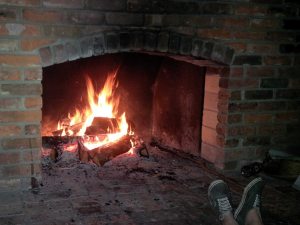
11892092_10155914415125103_6294693783704370484_nA member of a certain church, who previously had been attending services regularly, stopped going. After a few weeks, the minister decided to visit him – it was a chilly day. That evening, the minister found the man at home all alone sitting by a blazing fire.

Guessing the reason for his minister’s visit, the man welcomed him, and led him to a comfortable chair near the fireplace and waited. The minister made himself at home but said nothing.

In the grave silence, he contemplated the dance of the flames around the burning logs. After some minutes, he took the fire tongs, carefully picked up a brightly burning ember and placed it to one side of the hearth all alone. Then he sat back in his chair, still silent.

The host watched all this in quiet contemplation. As the one lone ember’s flame flickered and diminished, there was a momentary glow and then its fire was no more.

Soon it was cold and dead.

Not a word had been spoken since the initial greeting. The minister glanced at his watch and chose this time to leave. He slowly stood up, picked up the cold, dead ember and placed it back in the middle of the fire. Immediately it began to glow once more, with the light and warmth of the burning coals around it.

With that, the minister smiled at his host, shook his hand, and let himself out.

Scripture Cake

12743541_10207335079329039_5808408726344789732_nI recently inherited my grandmother’s recipe box. It includes 100’s of recipes, some from people I remember hearing about in my childhood. I went through it eagerly to discover something new. I pulled out 33 to try and passed on the box to my daughter Nicole, who is thrilled to treasure them too.
One recipe stood out for me among the pack. It was for Scripture Cake. Follow Solomon’s prescription for making a good boy and you will have a good cake. Proverbs 23:13-14, Don’t fail to discipline your children. They won’t die if you spank them. Physical discipline may well save them from death.

I haven’t made the cake yet and I will probably leave out the figs or add in pecans maybe. 

Ingredients Scripture Verse
4.5 cups flour 1 Kings 4:22 The daily food requirements for Solomon’s palace were 150 bushels of choice flour and 300 bushels of meal
1.5 cups butter Judges 5:25 Sisera asked for water, and she gave him milk. In a bowl fit for nobles, she brought him yogurt.
2 cups sugar Jeremiah 6:20 There’s no use offering me sweet frankincense from Sheba. Keep your fragrant calamus imported from distant lands! I will not accept your burnt offerings. Your sacrifices have no pleasing aroma for me.
2 cups raisins 1 Samuel 30:12 They also gave him part of a fig cake and two clusters of raisins, for he hadn’t had anything to eat or drink for three days and nights. Before long his strength returned.
2 cups figs Nahum 3:12 All your fortresses will fall. They will be devoured like the ripe figs that fall into the mouths of those who shake the trees.
1 cup almonds Numbers 17:8 When he went into the Tabernacle of the Covenant the next day, he found that Aaron’s staff, representing the tribe of Levi, had sprouted, budded, blossomed, and produced ripe almonds!
2 tbsp honey 1 Samuel 14:25 Even though they had all found honeycomb on the ground in the forest.
Spices 2 Chronicles 9:9 Then she gave the king a gift of 9,000 pounds of gold, great quantities of spices and precious jewels. Never before had there been spices as fine as those the queen of Sheba gave to King Solomon.
6 eggs Jeremiah 17:11 Like a partridge that hatches eggs she has not laid, so are those who get their wealth by unjust means. At midlife they will lose their riches; in the end, they will become poor old fools.
Salt Leviticus 2:13 Season all your grain offerings with salt to remind you of God’s eternal covenant. Never forget to add salt to your grain offerings.
Half cup milk Judges 4:19 “Please give me some water,” he said. “I’m thirsty.” So she gave him some milk from a leather bag and covered him again.
2 tsp baking powder Amos 4:5 Present your bread made with yeast as an offering of thanksgiving. Then give your extra voluntary offerings so you can brag about it everywhere! This is the kind of thing you Israelites love to do,” says the Sovereign Lord.


Ephraim’s Place Partnership

EphraimCamp Widjiitiwin is pleased to announce our newest partnership with Ephraim’s Place Community Centre in the Jane/Sheppard neighbourhood of Toronto. We’ll be working closely with Kevin Motiram and Bill Sunberg to bring 30 campers plus volunteers to Widjiitiwin the last week of the summer (August 28th to September 3rd). Like our other partners, Ephraim’s Place has a compelling story and mission. 

Why Ephraim’s Place?

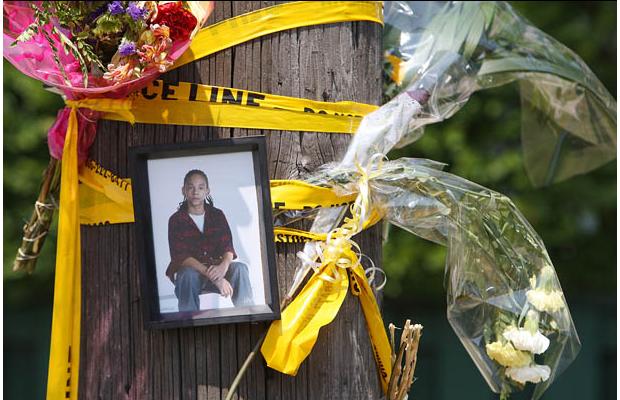
In late July, 2007, the life of Ephraim Brown was cut tragically short while attending his cousin’s birthday party. Caught in the crossfire of a gang shooting, Ephraim, an 11 year old boy, died on the sidewalk, only a few short steps from home. The next morning, over a hundred people from the community and across Toronto gathered on the streets in a silent prayer of solidarity and determination that such a tragedy should never happen again in their community.

In the months that followed, Emmanuel Church of the Nazarene decided to establish Ephraim’s Place Community Centre. The name “Ephraim” comes from the ancient Hebrew word which means “to find blessing from adversity.” It is with this in mind that Ephraim’s Place Community Centre was started to provide programs and services that give children, youth and families the skills and tools they need to build a successful future and bring about positive personal and community transformation.

Their Mission

Our mission is to work with the Jane-Finch and Jane-Sheppard communities to provide programs and services that give children, youth and families the skills and tools they need to build a successful future and bring about positive personal and community transformation.

Ephraim’s Place Community Centre currently offers six programs: “Adopt A Block”, “Refresh” Community Service Program, “Upward” Sports Mentoring League, “Project HEARTcore” After School Program, “Role Model Moms”, and “Employment Services Program”.

Find out more at www.ephraimsplace.com. Follow @EphraimsPlace on Twitter & www.facebook.com/EphraimsPlace

This is Camp Widjiitiwin’s fifth partnership camp to bring at-risk and marginalized kids and youth to camp for the experience of a lifetime. Read more about our other Partnership Camps!

Why we do themes at Widji!

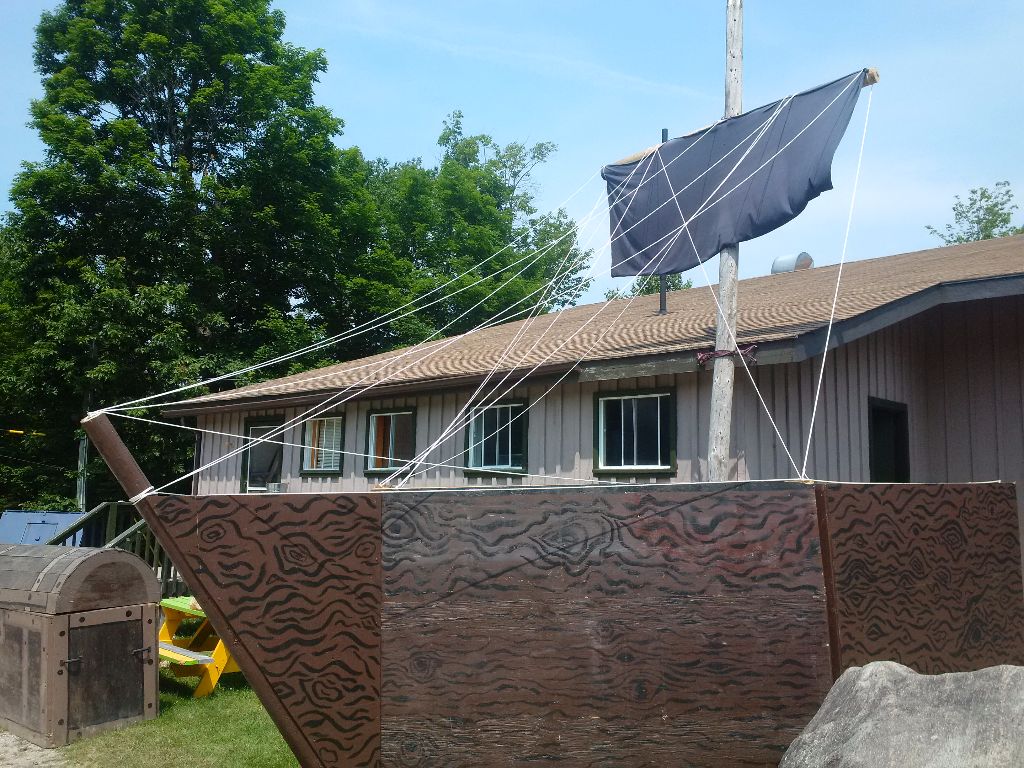
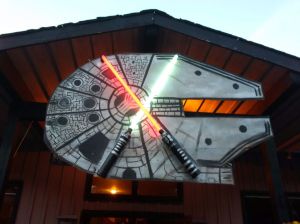
IMG_20150712_122558Camp themes add to the magic of the camp experience! Themes make Camp Widjiitiwin special – themes encourage camp spirit, generate excitement, themes are engaging and entertaining, and offer campers something to look forward to. Camp themes should create an ambiance and a visual presence. Campers will often choose their week at Widji based on our themes. 

Camp themes include games integrated with the theme, crafts, costumes (especially for Sundays and theme day on Fridays), theme meals, evening activities, music, special events, weekly camp map, plus small and large props. We start with creating anticipation as campers and parents enter Widji road. Everyone is greeted by two costumed staff who welcome everyone and give our our theme map of the week. As people continue down Widji road they will see small props and signs leading to camp and further building the theme. 

Our themes for 2017 are: Destination: Greece, Nintendo & The Round Table, Settlers of Widji for Sizzle. Imagine the possibilities. 

Theme weeks we have done at Widji

2008: Super Heroes, Hawaiian, Olympics, Survivor Widji & Amazing Race
2009: Western, Robin Hood, Pirates, 50/ 60’s & Super Hero’s
2010: Dr. Seuss, Holidaze, Disney Week, Game Show, Mission Impossible & 70’s Week
2011: King Arthur’s Court, Amazon Adventure, Treasure Island & 1980’s
2012: Olympics, Justice League, Jurassic Park, Narnia, Detectives & Middle Earth (Lord of the Rings)
2013: Survivor Widji, Lego, Western, Destination: Australia & 1990’s
2014: The Hobbit, Destination: Hawaii, Once Upon A Time & Sherwood Forest
2015: Destination: Egypt, Space Camp, Pirates vs Ninjas & Cartoons and Comics
2016: Olympics, Disney: Frozen to Neverland, Atlantis
2017: Destination: Greece, Nintendo & The Round Table, Settlers of Widji for Sizzle

Future themes

2018: Destination: United Kingdom, Minions, Amazing Race
2019: Percy Jackson, Destination:
2020: Olympics, Destination:

Relationships Take Work

Elaine & I at the Biltmore Estate
Elaine & I at the Biltmore Estate, in Ashville, NC

It’s all about relationships and they take hard work, sometimes a lot of it. And persistence and character and love and grace and mercy!

1. Elaine and I set aside Tuesday’s all summer as our joint day off. We try to get a way from camp, although my cell phone does go with me. We go on hikes, out for meals, movies, boating, camping, shopping, The Ex and Toronto Island. 
2. We started going on dates when our girls were young. They thought we were “cute”. In fact we are. Always having camp staff around made finding babysitters fairly easy. 
3. We took a two week vacation in October. The first park was with the whole family (all our girls, two sons in law & our granddaughter Olivia). The second part was Elaine and I traveling for nine days through the Blue Ridge Parkway in the Great Smokey Mountains. It was a great trip and a lot of fun. We often didn’t plan where we would stay or what we would see. It’s an adventure! 
4. It’s not always easy. Communication is hard. Words and tones can be misunderstood. Go carefully. 

Mike/Moose

Red Marbles

marbles-red-crackle-1-john-brueske-1Three Red Marbles

By W. E. Petersen

One day Mr. Miller was bagging some early potatoes for me. I noticed a small boy, delicate of bone and feature, ragged but clean, hungrily apprising a basket of freshly picked green peas.

I paid for my potatoes but was also drawn to the display of fresh green peas. I am a pushover for creamed peas and new potatoes.

Pondering the peas, I couldn’t help overhearing the conversation between Mr. Miller and the ragged boy next to me.

“Hello Barry, how are you today?”
“H’lo, Mr. Miller. Fine, thank ya. Jus’ admirin’ them peas … sure look good.”
“They are good, Barry. How’s your Ma?”
“Fine. Gittin’ stronger alla’ time.”
“Good. Anything I can help you with?”
“No, Sir. Jus’ admirin’ them peas.”
“Would you like to take some home?”
“No, Sir. Got nuthin’ to pay for ’em with.”
“Well, what have you to trade me for some of those peas?”
“All I got’s my prize marble here.”
“Is that right? Let me see it.”
“Here ’tis. She’s a dandy.”
“I can see that. Hmmmmm, only thing is this one is blue and I sort of go for red. Do you have a red one like this at home?”
“Not zackley … but almost.”
“Tell you what. Take this sack of peas home with you and next trip this way let me look at that red marble.”
“Sure will. Thanks Mr. Miller.”

Mrs. Miller, who had been standing nearby, came over to help me. With a smile she said, “There are two other boys like him in our community, all three are in very poor circumstances. Jim just loves to bargain with them for peas, apples, tomatoes, or whatever. When they come back with their red marbles, and they always do, he decides he doesn’t like red after all and he sends them home with a bag of produce for a green marble or an orange one, perhaps.”

I left the stand smiling to myself, impressed with this man. A short time later I moved to Colorado but I never forgot the story of this man, the boys, and their bartering.

Several years went by, each more rapid that the previous one. Just recently I had occasion to visit some old friends in that Idaho community and while I was there learned that Mr. Miller had died. They were having his viewing that evening and knowing my friends wanted to go, I agreed to accompany them.

Upon arrival at the mortuary we fell into line to meet the relatives of the deceased and to offer whatever words of comfort we could. Ahead of us in line were three young men. One was in an army uniform and the other two wore nice haircuts, dark suits and white shirts … all very professional looking.

They approached Mrs. Miller, standing composed and smiling by her husband’s casket. Each of the young men hugged her, kissed her on the cheek, spoke briefly with her and moved on to the casket. Her misty light blue eyes followed them as, one by one, each young man stopped briefly and placed his own warm hand over the cold pale hand in the casket. Each left the mortuary awkwardly, wiping his eyes.

Our turn came to meet Mrs. Miller. I told her who I was and mentioned the story she had told me about the marbles. With her eyes glistening, she took my hand and led me to the casket. “Those three young men who just left were the boys I told you about. They just told me how they appreciated the things Jim ‘traded’ them. Now, at last, when Jim could not change his mind about color or size … they came to pay their debt.”

“We’ve never had a great deal of the wealth of this world,” she confided, “but right now, Jim would consider himself the richest man in Idaho.”

With loving gentleness she lifted the lifeless fingers of her deceased husband. Resting underneath were three exquisitely shined red marbles.

“…love one another; as I have loved you…. By this all will know that you are My disciples, if you have love for one another.” John 13:34-35